GetAssetPack

निर्वाण (Nirvāṇa)

निर्वाण (Nirvāṇa)
Price
Free
Type
Icons
Creator
AdamStanislav
License
CC0
Dimensions
2D

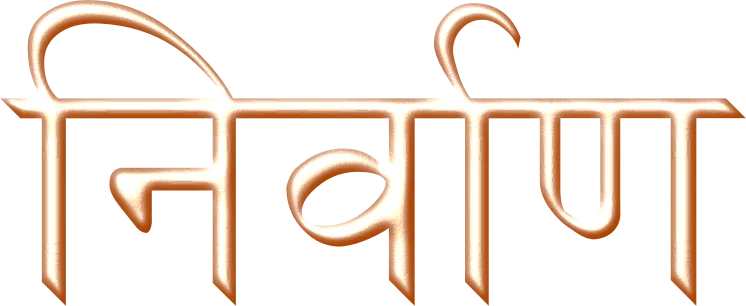
निर्वाण (Nirvāṇa), not to be confused with a musical group of a slightly similar name, marks the extinction of the flame, i.e. the end of the cycle of rebirth in Saṃsāra.<br /> Here spelled in Devanāgarī.<br /> <b>This is a corrected version, as my software failed to swap the letters to proper order and I only noticed it after uploading the old version (shame on you, Affinity Designer).</b><br /> <b>That is because the Devanagari script uses a different order of letters from the Roman alphabet. In this case, to print <i>ni</i> (there are no capital letters in Devanagari) it draws the <i>i</i> (ि) before and above the <i>n</i> (न), giving नि. And to print <i>rva</i> it first draws the <i>v</i> (व), then the long <i>ā</i> (ा), then kinda draws the <i>r</i> (र +्), just as a little hook over the <i>ā,</i> giving र्वा. And, of course, the <i>ṇ</i> is not the same as the <i>n</i>.</b><br /> <b>Under Windows, this is normally handled automatically by the system, but clearly Affinity Designer thinks it can do a better job. :(</b>

Available on

Search by image

Upload a reference to find previews with similar colors, contrast, and detail.

निर्वाण (Nirvāṇa)

निर्वाण (Nirvāṇa)
AdamStanislav · OpenClipArtFree
2D
Icons
CC0 · Public domain dedication
  • ✓ Commercial use, edits and redistribution
  • ✓ Attribution is optional
  • i Trademark and privacy rights still apply
Show full terms

निर्वाण (Nirvāṇa), not to be confused with a musical group of a slightly similar name, marks the extinction of the flame, i.e. the end of the cycle of rebirth in Saṃsāra.<br /> Here spelled in Devanāgarī.<br /> <b>This is a corrected version, as my software failed to swap the letters to proper order and I only noticed it after uploading the old version (shame on you, Affinity Designer).</b><br /> <b>That is because the Devanagari script uses a different order of letters from the Roman alphabet. In this case, to print <i>ni</i> (there are no capital letters in Devanagari) it draws the <i>i</i> (ि) before and above the <i>n</i> (न), giving नि. And to print <i>rva</i> it first draws the <i>v</i> (व), then the long <i>ā</i> (ा), then kinda draws the <i>r</i> (र +्), just as a little hook over the <i>ā,</i> giving र्वा. And, of course, the <i>ṇ</i> is not the same as the <i>n</i>.</b><br /> <b>Under Windows, this is normally handled automatically by the system, but clearly Affinity Designer thinks it can do a better job. :(</b>

View original listing