 GetAssetPack
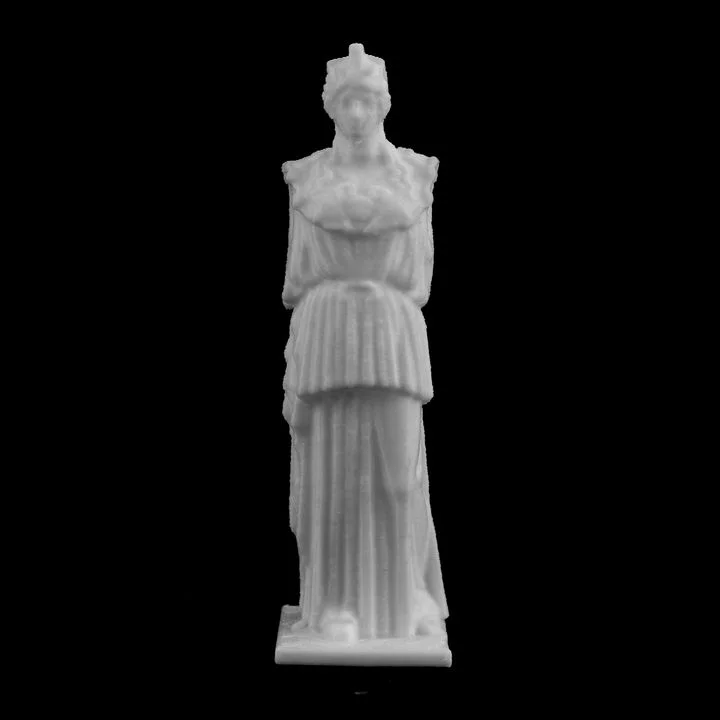
The Athena Parthenos at The Louvre, Paris
- Type
- 3D Models
- Dimensions
- 3D
- Setting
- Fantasy
A 3D model of a Roman statue of Athena, inspired by Greek sculpture and shown wearing an aegis.
This colossal statue is one of a large series of Roman replicas inspired by the work of the Athenian sculptor Phidias (active 460-435 BC). The statuary type, derived from that of the Athena Parthenos, is probably a reproduction of the bronze Athena Promachos of the Acropolis in Athens or the Athena Areia of Plataea. The technique involving several parts used by the copyist - probably intended to imitate the original acrolith - supports the latter hypothesis. The Ingres Minerva The imposing Ingres Minerva stood in the gardens of the Villa Medici in Rome when the French painter Ingres, then director of the Académie de France in Rome, decided to send it to France. It entered the Louvre in 1913 after spending several years at the École des Beaux-Arts in Paris. The statue is one of a large series of Roman replicas inspired by a Greek original produced in the fifth century BC. The head and arms were added - as shown by the recesses for fitting probably aimed at imitating the acrolith technique of the original. The extremities of the body were carved separately in a different material. Athena can be recognized by the aegis draped over her shoulders: the skin of the goat Amalthaea decorated with the head of the Gorgon Medusa and formerly edged with metal snakes. The goddess probably wore an Attic helmet with a triple plume and bore attributes symbolizing the greatness of Athens and the power of its tutelary deity. An echo of Phidias' classicism The work is a faithful transcription of Phidias' art and the classicism that developed in the second half of the fifth century BC in the wake of the Athenian sculptor (active 470-435 BC). The pose of the goddess, the harmony of the balance, and the treatment of the drapery are imprinted with the aesthetics of the Parthenon sculptures. Athena is dressed in a similar way, with a chiton, a peplos, and a cloak thrown negligently over her left shoulder. The artist played on the contrasts between the different fabrics. The movement of the…