GetAssetPack

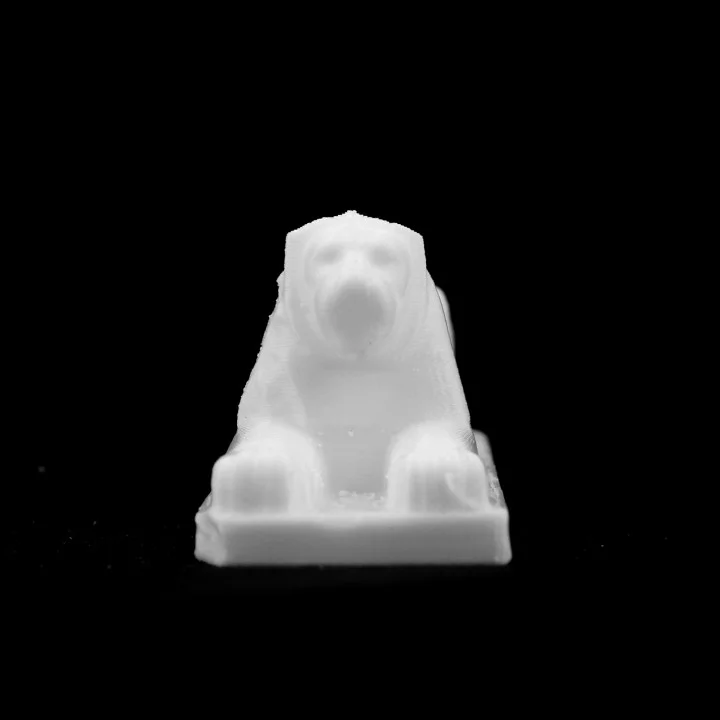
Egyptian Feline at The Metropolitan Museum of Art, New York
Egyptian Feline at The Metropolitan Museum of Art, New York
Type
3D Models
Dimensions
3D
Style
Realistic
Setting
Asian

A monumental Egyptian lion sculpture model, described as a temple and palace guardian.

This imposing figure must have guarded the entrance to a sanctuary. The most powerful predator of the steppe bordering the Nile Valley, the lion had been a symbol of royalty since the time of Egypt's earliest rulers (ca. 3200–3100 B.C.). The animal also embodied various important deities, such as Sakhmet, the fiery goddess of war and pestilence, and served as a guardian of temples and palaces. The sculpture exhibits all the hallmarks of early Old Kingdom art and iconography: the lion's tail is slung high up over the right haunch, the outlines of the ears continue directly into the mane around the face, and the heavy body of the animal is hardly separated from the granite mass of the base. Excavated at Herakleopolis Magna, south of the Fayum oasis, this sculpture is the earliest surviving lion image of monumental size. When found, only the front of the muzzle was missing; it has now been restored. This object is part of "Scan The World". Scan the World is a non-profit initiative introduced by MyMiniFactory, through which we are creating a digital archive of fully 3D printable sculptures, artworks and landmarks from across the globe for the public to access for free. Scan the World is an open source, community effort, if you have interesting items around you and would like to contribute, email stw@myminifactory.com to find out how you can help. | Download free and paid 3D printable STL files

Available on

Search by image

Upload a reference to find previews with similar colors, contrast, and detail.

Egyptian Feline at The Metropolitan Museum of Art, New York

Egyptian Feline at The Metropolitan Museum of Art, New York
MyMiniFactory
3D Models
License not indexed
  • i Check the terms on the original listing.
Show full terms

This imposing figure must have guarded the entrance to a sanctuary. The most powerful predator of the steppe bordering the Nile Valley, the lion had been a symbol of royalty since the time of Egypt's earliest rulers (ca. 3200–3100 B.C.). The animal also embodied various important deities, such as Sakhmet, the fiery goddess of war and pestilence, and served as a guardian of temples and palaces. The sculpture exhibits all the hallmarks of early Old Kingdom art and iconography: the lion's tail is slung high up over the right haunch, the outlines of the ears continue directly into the mane around the face, and the heavy body of the animal is hardly separated from the granite mass of the base. Excavated at Herakleopolis Magna, south of the Fayum oasis, this sculpture is the earliest surviving lion image of monumental size. When found, only the front of the muzzle was missing; it has now been restored.   This object is part of "Scan The World". Scan the World is a non-profit initiative introduced by MyMiniFactory, through which we are creating a digital archive of fully 3D printable sculptures, artworks and landmarks from across the globe for the public to access for free. Scan the World is an open source, community effort, if you have interesting items around you and would like to contribute, email stw@myminifactory.com to find out how you can help. | Download free and paid 3D printable STL files

A monumental Egyptian lion sculpture model, described as a temple and palace guardian.

View original listing