GetAssetPack

The Abduction of the Sabine Women in Florence, Italy
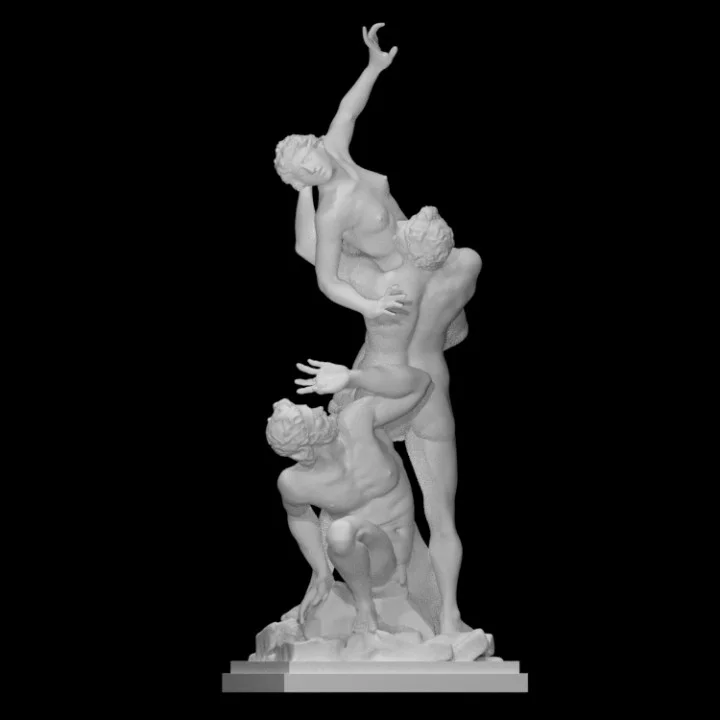
The Abduction of the Sabine Women in Florence, Italy
Type
3D Models
Dimensions
3D

The Rape of the Sabine Women (Latin: Sabinae raptae) is an episode in the legendary history of Rome, traditionally dated to 750 BC, in which the first generation of Roman men acquired wives for themselves from the neighboring Sabine families. The English word rape is a conventional translation of the Latin raptio, which in this context means "abduction" rather than its prevalent modern meaning in English language of sexual violation. Recounted by Livy and Plutarch (Parallel Lives II, 15 and 19), it provided a subject for Renaissance and post-Renaissance works of art that combined a suitably inspiring example of the hardihood and courage of ancient Romans with the opportunity to depict multiple figures, including heroically semi-nude figures, in intensely passionate struggle. Comparable themes from Classical Antiquity are the Battle of the Lapiths and Centaurs and the theme ofAmazonomachy, the battle of Theseus with the Amazons. The sculpture by Giambologna (1579–1583) that was reinterpreted as expressing this theme depicts three figures (a man lifting a woman into the air while a second man crouches) and was carved from a single block of marble. This sculpture is considered Giambologna's masterpiece. Originally intended as nothing more than a demonstration of the artist's ability to create a complex sculptural group, its subject matter, the legendary rape of the Sabines, had to be invented after Francesco I de' Medici, Grand Duke of Tuscany, decreed that it be put on public display in the Loggia dei Lanzi in Piazza della Signoria, Florence. True to mannerist densely packed, intertwined figural compositions and ambitious overinclusive efforts, the statue renders a dynamic panoply of emotions, in poses that offer multiple viewpoints. When contrasted with the serene single-viewpoint pose of the nearby Michelangelo's David (also uploaded to MyMiniFactory and Scan The World), finished nearly 80 years before, this statue is infused with the dynamics that lead towards…

Available on

Search by image

Upload a reference to find previews with similar colors, contrast, and detail.

The Abduction of the Sabine Women in Florence, Italy

The Abduction of the Sabine Women in Florence, Italy
MyMiniFactory
3D Models
License not indexed
  • i Check the terms on the original listing.
Show full terms

The Rape of the Sabine Women (Latin: Sabinae raptae) is an episode in the legendary history of Rome, traditionally dated to 750 BC, in which the first generation of Roman men acquired wives for themselves from the neighboring Sabine families. The English word rape is a conventional translation of the Latin raptio, which in this context means "abduction" rather than its prevalent modern meaning in English language of sexual violation. Recounted by Livy and Plutarch (Parallel Lives II, 15 and 19), it provided a subject for Renaissance and post-Renaissance works of art that combined a suitably inspiring example of the hardihood and courage of ancient Romans with the opportunity to depict multiple figures, including heroically semi-nude figures, in intensely passionate struggle. Comparable themes from Classical Antiquity are the Battle of the Lapiths and Centaurs and the theme ofAmazonomachy, the battle of Theseus with the Amazons. The sculpture by Giambologna (1579–1583) that was reinterpreted as expressing this theme depicts three figures (a man lifting a woman into the air while a second man crouches) and was carved from a single block of marble. This sculpture is considered Giambologna's masterpiece. Originally intended as nothing more than a demonstration of the artist's ability to create a complex sculptural group, its subject matter, the legendary rape of the Sabines, had to be invented after Francesco I de' Medici, Grand Duke of Tuscany, decreed that it be put on public display in the Loggia dei Lanzi in Piazza della Signoria, Florence. True to mannerist densely packed, intertwined figural compositions and ambitious overinclusive efforts, the statue renders a dynamic panoply of emotions, in poses that offer multiple viewpoints. When contrasted with the serene single-viewpoint pose of the nearby Michelangelo's David (also uploaded to MyMiniFactory and Scan The World), finished nearly 80 years before, this statue is infused with the dynamics that lead towards Baroque, but the tight, uncomfortable, verticality— self-imposed by the author's virtuosic restriction to a composition that could be carved from a single block of marble— lacks the diagonal thrusts that Bernini would achieve forty years later with his Rape of Proserpina and Apollo and Daphne, both at the Galleria Borghese, Rome. The proposed site for the sculpture, opposite Benvenuto Cellini's statue of Perseus, prompted suggestions that the group should illustrate a theme related to the former w

View original listing