 GetAssetPack
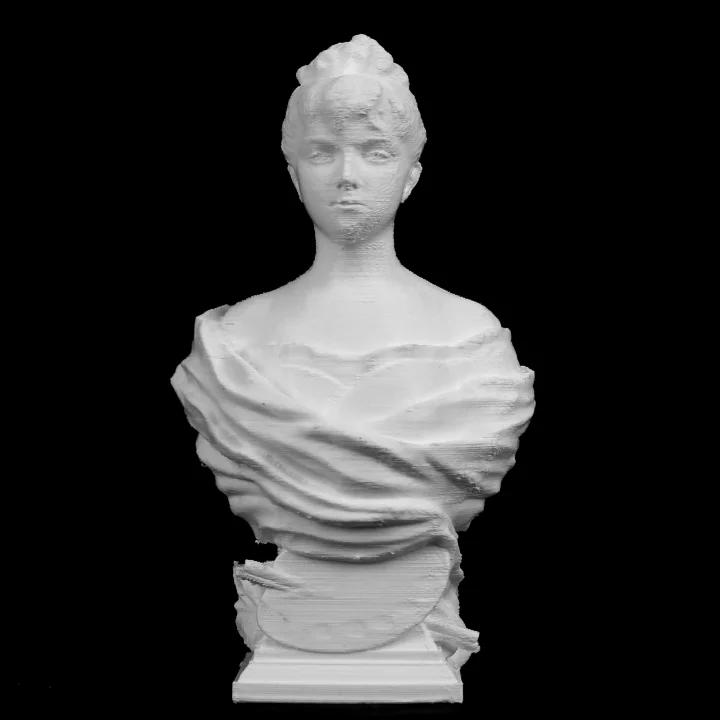
Marie Bashkirtseff at The Réunion des Musées Nationaux, Paris
- Type
- 3D Models
- Dimensions
- 3D
Marie Bashkirtseff was a Ukrainian diarist, painter and sculptor. From around the age of 13, Bashkirtseff kept a journal, and it is for this that she is probably most famous today. It has been called "a strikingly modern psychological self-portrait of a young, gifted mind," and her urgent prose, which occasionally breaks out into dialogue, remains extremely readable. She was multilingual and despite her self-involvement was a keen observer with an acute ear for hypocrisy, so that her journal also offers a near-novelistic account of the late 19th century European bourgeoisie. A consistent theme throughout is her deep desire to achieve fame, inflected by her increasing fear that her intermittent illnesses might turn out to be tuberculosis. In a prefatory section written towards the end of her life in which she recounts her family history, she writes, "If I do not die young I hope to live as great artist; but if I die young, I intend to have my journal, which cannot fail to be interesting, published. Similarly: "When I am dead, my life, which appears to me a remarkable one, will be read. (The only thing wanting is that it should have been different)." In effect, the first half of Bashkirtseff's journal is a coming-of-age story while the second is an account of heroic suffering. Bashkirtseff's journal was first published in 1887, and was only the second diary by a woman ever published in France. It was an immediate success, not least because its cosmopolitan confessional style was a marked departure from the contemplative, mystical diaries of the writer Eugénie de Guérin that had been published in 1862. An English translation appeared two years later under the title Marie Bashkirtseff: The Journal of a Young Artist 1860-1884. Translated by Mary J. Serrano, it was heavily abridged and bowdlerized, her relatives seeing to it that a good deal of material unflattering to the family was removed. British Prime Minister William Gladstone referred to it as "a book without a…