GetAssetPack

Arsenal Crest at The Emirates Stadium, London
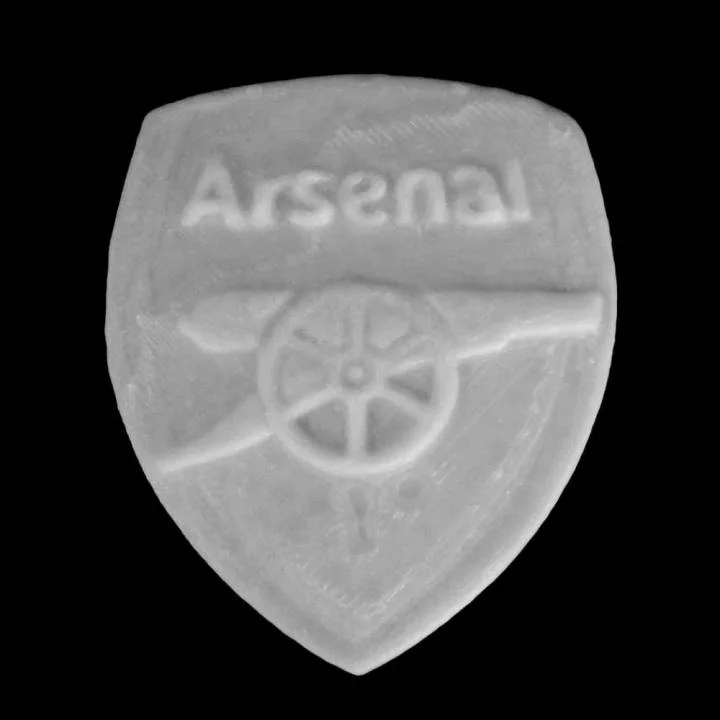
Arsenal Crest at The Emirates Stadium, London
Type
3D Models
Dimensions
3D

In 1888, just two years after the formation of the Club, Arsenal, then called Royal Arsenal, adopted its first crest (2). This was based largely on the coat of arms of the Borough of Woolwich (1).The Club was based in the Borough from its formation until 1913, playing at Plumstead Common; Sportsman Ground; Manor Ground; Invicta Ground and the Manor Ground again before heading across London to Highbury, Islington prior to the move to Emirates Stadium. The original badge comprised three columns, which, although they look like chimneys, are in actual fact cannons. The significance of the cannons to the Borough of Woolwich derives from the long military history surrounding the area. The Royal Arsenal, Royal Artillery Regiment and various military hospitals – which still dot the landscape today – were all prominent in the Borough. image: http://www.arsenal.com/assets/_files/images/jan_13/gun__1358428314_crest_history1.png 1) The Coat of Arms of the Metropolitan Borough of Woolwich2) Royal Arsenal's first crest, 1888 The cannons on the original crest were obviously a reference to the military influence in Woolwich and despite the Club’s ties with the area being cut 89 years ago, the cannon theme has developed throughout the years and has remained prominent on the Gunners different crests down the years, including the new design. In the early days the crest was not as significant a part of a football club’s identity as it is today. Shirts remained plain, unless commemorating a significant match, an FA Cup Final for example, and the crest was generally reserved for official headed stationery, matchday programmes and handbooks. Following Arsenal’s move north to Highbury in 1913, it wasn’t immediately apparent that the Club would embrace the Woolwich Arsenal legacy and keep the cannon as a recognisable motif. The Club soon became just ‘Arsenal’, the Great War affected football for four seasons and recommencing in 1919/20 ‘normal’ football took some time to settle. During all…

Available on

Search by image

Upload a reference to find previews with similar colors, contrast, and detail.

Arsenal Crest at The Emirates Stadium, London

Arsenal Crest at The Emirates Stadium, London
MyMiniFactory
3D Models
License not indexed
  • i Check the terms on the original listing.
Show full terms

In 1888, just two years after the formation of the Club, Arsenal, then called Royal Arsenal, adopted its first crest (2). This was based largely on the coat of arms of the Borough of Woolwich (1).The Club was based in the Borough from its formation until 1913, playing at Plumstead Common; Sportsman Ground; Manor Ground; Invicta Ground and the Manor Ground again before heading across London to Highbury, Islington prior to the move to Emirates Stadium. The original badge comprised three columns, which, although they look like chimneys, are in actual fact cannons. The significance of the cannons to the Borough of Woolwich derives from the long military history surrounding the area. The Royal Arsenal, Royal Artillery Regiment and various military hospitals – which still dot the landscape today – were all prominent in the Borough.    image: http://www.arsenal.com/assets/_files/images/jan_13/gun__1358428314_crest_history1.png 1) The Coat of Arms of the Metropolitan Borough of Woolwich2) Royal Arsenal's first crest, 1888 The cannons on the original crest were obviously a reference to the military influence in Woolwich and despite the Club’s ties with the area being cut 89 years ago, the cannon theme has developed throughout the years and has remained prominent on the Gunners different crests down the years, including the new design. In the early days the crest was not as significant a part of a football club’s identity as it is today. Shirts remained plain, unless commemorating a significant match, an FA Cup Final for example, and the crest was generally reserved for official headed stationery, matchday programmes and handbooks.   Following Arsenal’s move north to Highbury in 1913, it wasn’t immediately apparent that the Club would embrace the Woolwich Arsenal legacy and keep the cannon as a recognisable motif. The Club soon became just ‘Arsenal’, the Great War affected football for four seasons and recommencing in 1919/20 ‘normal’ football took some time to settle. During all of this period there was no sign of a crest as such but, in the first matchday programme of the 1922/23 season, when the Gunners played Burnley, a new club crest (3) was revealed – a fearsome looking cannon – that would have sat proudly in the Royal Arsenal of Woolwich. As can be seen the vertical cannons have gone with the new design featuring a single eastward pointing cannon. Whoever designed this robust looking weapon saw his handiwork used by the Club for just three seasons h

View original listing