GetAssetPack

Sir Hans Sloane at The British Museum, London
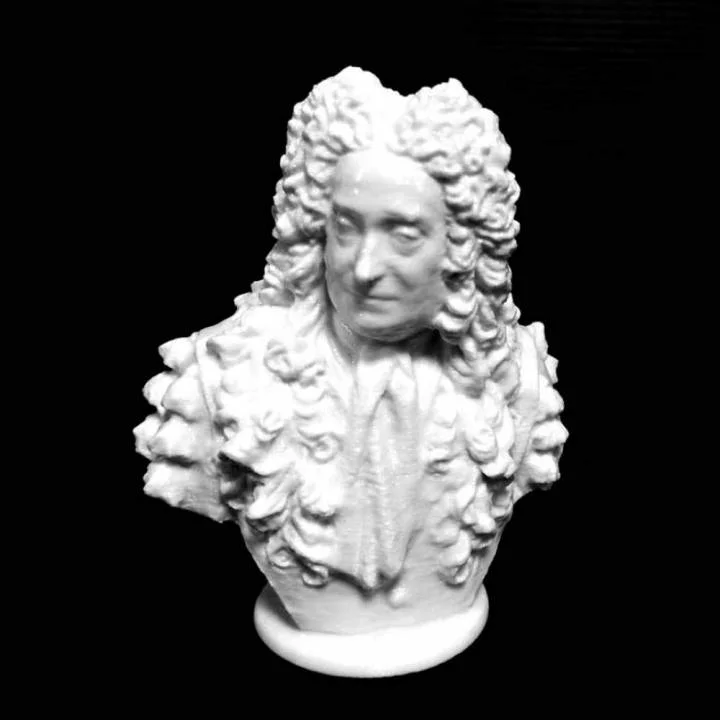
Sir Hans Sloane at The British Museum, London
Type
3D Models
Dimensions
3D

Sir Hans Sloane (1660-1753), who trained as a doctor, was President of the Royal College of Physicians and was physician to Queen Anne and King George III. As a scientist interested in natural history, he founded the Botanic Garden, now the Chelsea Physic Garden, in 1721, as a centre for the study of plants for medicinal use. Sloane is today remembered principally as a great collector and connoisseur; he had his own museum of ethnographic and other material, with a series of catalogues. Sloane's collection formed part of the original foundation of The British Museum, and his portrait can be seen among the thousands of objects he bequeathed to the Museum.Michael Rysbrack (1694-1770) originated in Antwerp and was trained there before coming to London in 1720. He was the most prominent sculptor in the baroque style in Britain when this portrait was commissioned. Sloane's features are realistically depicted. The long wig and elaborate costume emphasize his status. The lively character of this bust and its rich surface, considered rare in Rysbrack's work, makes this bust one of his masterpieces. al history, he studied medicine in London and France. In 1689, Sloane set up a successful medical practice at his home in No. 3 Bloomsbury Place – coincidentally just along the street from the present Museum building. He had a number of wealthy and aristocratic patients, among them Queen Anne and Kings George I and II. An innovative doctor, Sloane promoted inoculation against smallpox, the use of quinine (a treatment for malaria) and the health-giving properties of drinking chocolate mixed with milk. He became President of the College of Physicians in 1719 and in 1727 succeeded Sir Isaac Newton as President of the Royal Society. Sir Hans Sloane (1660–1753) was born in Killyleagh, Ireland in relatively modest circumstances. Inspired by a childhood interest in natural history, he studied medicine in London and France. In 1689, Sloane set up a successful medical practice at his…

Available on

Search by image

Upload a reference to find previews with similar colors, contrast, and detail.

Sir Hans Sloane at The British Museum, London

Sir Hans Sloane at The British Museum, London
MyMiniFactory
3D Models
License not indexed
  • i Check the terms on the original listing.
Show full terms

Sir Hans Sloane (1660-1753), who trained as a doctor, was President of the Royal College of Physicians and was physician to Queen Anne and King George III. As a scientist interested in natural history, he founded the Botanic Garden, now the Chelsea Physic Garden, in 1721, as a centre for the study of plants for medicinal use. Sloane is today remembered principally as a great collector and connoisseur; he had his own museum of ethnographic and other material, with a series of catalogues. Sloane's collection formed part of the original foundation of The British Museum, and his portrait can be seen among the thousands of objects he bequeathed to the Museum.Michael Rysbrack (1694-1770) originated in Antwerp and was trained there before coming to London in 1720. He was the most prominent sculptor in the baroque style in Britain when this portrait was commissioned. Sloane's features are realistically depicted. The long wig and elaborate costume emphasize his status. The lively character of this bust and its rich surface, considered rare in Rysbrack's work, makes this bust one of his masterpieces. al history, he studied medicine in London and France. In 1689, Sloane set up a successful medical practice at his home in No. 3 Bloomsbury Place – coincidentally just along the street from the present Museum building. He had a number of wealthy and aristocratic patients, among them Queen Anne and Kings George I and II. An innovative doctor, Sloane promoted inoculation against smallpox, the use of quinine (a treatment for malaria) and the health-giving properties of drinking chocolate mixed with milk. He became President of the College of Physicians in 1719 and in 1727 succeeded Sir Isaac Newton as President of the Royal Society. Sir Hans Sloane (1660–1753) was born in Killyleagh, Ireland in relatively modest circumstances. Inspired by a childhood interest in natural history, he studied medicine in London and France. In 1689, Sloane set up a successful medical practice at his home in No. 3 Bloomsbury Place – coincidentally just along the street from the present Museum building. He had a number of wealthy and aristocratic patients, among them Queen Anne and Kings George I and II. An innovative doctor, Sloane promoted inoculation against smallpox, the use of quinine (a treatment for malaria) and the health-giving properties of drinking chocolate mixed with milk. He became President of the College of Physicians in 1719 and in 1727 succeeded Sir Isaac Newton as P

View original listing