GetAssetPack

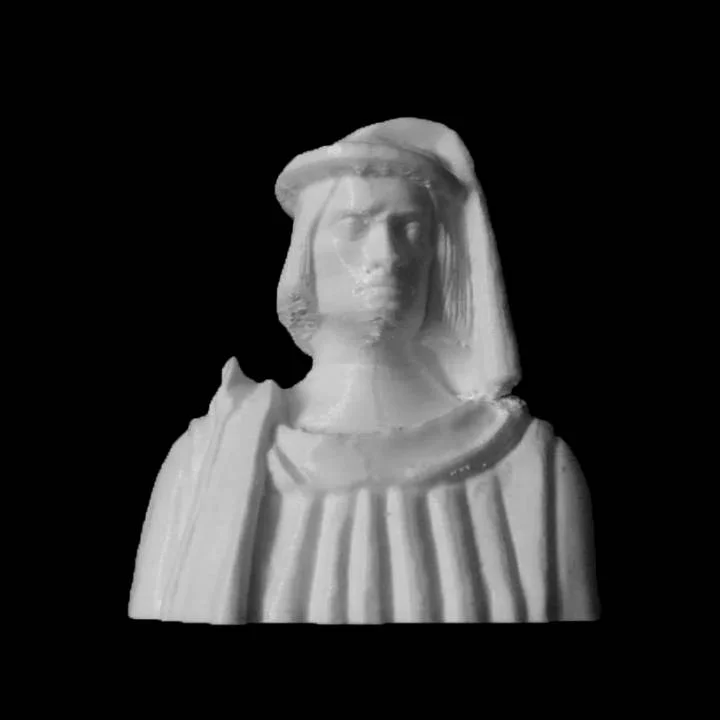
Lorenzo di Medici

Lorenzo di Medici
Type
3D Models
Dimensions
3D

Lorenzo de’ Medici, byname Lorenzo the Magnificent, Italian Lorenzo il Magnifico (born January 1, 1449, Florence [Italy]—died April 9, 1492, Careggi, near Florence), Florentine statesman, ruler, and patron of arts and letters, the most brilliant of the Medici. He ruled Florence with his younger brother, Giuliano (1453–78), from 1469 to 1478 and, after the latter’s assassination, was sole ruler from 1478 to 1492. Upon the death of his father, Piero de’ Medici, and his own accession to power, Lorenzo immediately let it be known that he intended to follow his father’s and grandfather’s example and “use constitutional methods as much as possible.” In saying this, he was, however, keeping up appearances. In 1471 the popular assemblies lost their financial powers. According to the historian Francesco Guicciardini’s apt definition, Lorenzo’s regime was “that of a benevolent tyrant in a constitutional republic.” It was, moreover, a tyranny tempered by the festivals that Florentines always loved passionately: carnivals, balls, tournaments, weddings, and princely receptions. The Pazzi conspiracy in 1478 came as a rude shock to a carefree city. The Pazzi bank, in the course of a treacherous war in which the adversaries did not scruple to use the most devious methods, had taken the business affairs of the papacy away from the Medici. Sixtus IV, his nephew Riario, and Francesco Salviati, the archbishop of Pisa, supported the Pazzi and in the end formed a conspiracywith them. They decided to assassinate Lorenzo and Giuliano in the cathedral during Easter mass on April 26, while the archbishop was to take over the signoria (the council of government). Giuliano was indeed killed in front of the altar, but Lorenzo succeeded in taking refuge in a sacristy. The archbishop clumsily accosted the Medici gonfalonier, a harsh and suspicious man who immediately had him hanged from a window of the Palazzo Vecchio wearing his episcopal robes. The crowd stood by the Medici, seized the…

Available on

Search by image

Upload a reference to find previews with similar colors, contrast, and detail.

Lorenzo di Medici

Lorenzo di Medici
MyMiniFactory
3D Models
License not indexed
  • i Check the terms on the original listing.
Show full terms

Lorenzo de’ Medici, byname Lorenzo the Magnificent, Italian Lorenzo il Magnifico (born January 1, 1449, Florence [Italy]—died April 9, 1492, Careggi, near Florence), Florentine statesman, ruler, and patron of arts and letters, the most brilliant of the Medici. He ruled Florence with his younger brother, Giuliano (1453–78), from 1469 to 1478 and, after the latter’s assassination, was sole ruler from 1478 to 1492. Upon the death of his father, Piero de’ Medici, and his own accession to power, Lorenzo immediately let it be known that he intended to follow his father’s and grandfather’s example and “use constitutional methods as much as possible.” In saying this, he was, however, keeping up appearances. In 1471 the popular assemblies lost their financial powers. According to the historian Francesco Guicciardini’s apt definition, Lorenzo’s regime was “that of a benevolent tyrant in a constitutional republic.” It was, moreover, a tyranny tempered by the festivals that Florentines always loved passionately: carnivals, balls, tournaments, weddings, and princely receptions. The Pazzi conspiracy in 1478 came as a rude shock to a carefree city. The Pazzi bank, in the course of a treacherous war in which the adversaries did not scruple to use the most devious methods, had taken the business affairs of the papacy away from the Medici. Sixtus IV, his nephew Riario, and Francesco Salviati, the archbishop of Pisa, supported the Pazzi and in the end formed a conspiracywith them. They decided to assassinate Lorenzo and Giuliano in the cathedral during Easter mass on April 26, while the archbishop was to take over the signoria (the council of government). Giuliano was indeed killed in front of the altar, but Lorenzo succeeded in taking refuge in a sacristy. The archbishop clumsily accosted the Medici gonfalonier, a harsh and suspicious man who immediately had him hanged from a window of the Palazzo Vecchio wearing his episcopal robes. The crowd stood by the Medici, seized the conspirators, and tore them limb from limb. Sixtus IV, forgetting the murder in the cathedral—in which two priests had taken part—refused to consider anything else than the hanging of a prelate and threatened Florence with interdiction unless it handed over Lorenzo to him. The city and its clergy rejected the proposal. The situation was all the more critical because Ferdinand I, king of Naples, was supporting the papacy. Florence’s ruler could count on nothing more than very limited aid from Milan and

View original listing