GetAssetPack

Bird in Space at The MoMA, New York
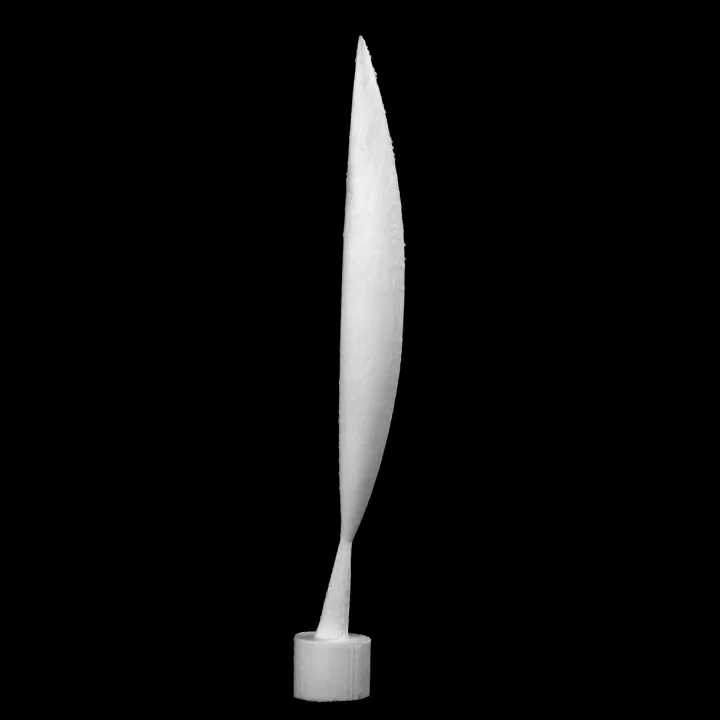
Bird in Space at The MoMA, New York
Type
3D Models
Dimensions
3D

From the 1920s to the 1940s, the theme of a bird in flight preoccupied Brancusi. He concentrated on the animals’ movement, rather than their physical attributes. In Bird in Space, the sculptor eliminated wings and feathers, elongated the swell of the body, and reduced the head and beak to a slanted oval plane. Balanced on a slender conical footing, the figure’s upward thrust appears unfettered. This sculpture is part of a series that includes seven marble sculptures and nine bronze casts. It was sold in 2005 for $27.5 million, at the time a record price for a sculpture sold in an auction. The original title in Romanian is Pasărea în văzduh. Seven of the sculptures in the series are made of marble, while the other nine were cast in bronze. The first and best known of the series is housed in the Metropolitan Museum of Art in New York City, while two bronze casts (1928 and c.1941) reside in that city's Museum of Modern Art. Two versions of the sculpture, one bronze (1924) and one marble (1923–1924), are housed in the Philadelphia Museum of Art. A 1926 bronze is on display at the Seattle Art Museum. Two more bronze casts (1925–1926 and 1927) are on display at the Los Angeles County Museum of Art and a 1931 bronze cast is housed at the Norton Simon Museum of Art in Pasadena, California. Another bronze of unknown casting date resides in the Peggy Guggenheim Collection in Venice, Italy, and the National Gallery of Australia in Canberra owns two marbles, both c.1931-1936, one white and one black. In 1926-27, Bird in Space was the subject of a court battle over its taxation by U.S. Customs. In October 1926, Bird in Space, along with 19 other Brâncuși sculptures, arrived in New York harbor aboard the steamship Paris. While works of art are not subject to custom duties, the customs officials refused to believe that the tall, thin piece of polished bronze was art and so imposed the tariff for manufactured metal objects, 40% of the sale price or about $230 (over $2800 in 2010…

Available on

Search by image

Upload a reference to find previews with similar colors, contrast, and detail.

Bird in Space at The MoMA, New York

Bird in Space at The MoMA, New York
MyMiniFactory
3D Models
License not indexed
  • i Check the terms on the original listing.
Show full terms

From the 1920s to the 1940s, the theme of a bird in flight preoccupied Brancusi. He concentrated on the animals’ movement, rather than their physical attributes. In Bird in Space, the sculptor eliminated wings and feathers, elongated the swell of the body, and reduced the head and beak to a slanted oval plane. Balanced on a slender conical footing, the figure’s upward thrust appears unfettered. This sculpture is part of a series that includes seven marble sculptures and nine bronze casts.  It was sold in 2005 for $27.5 million, at the time a record price for a sculpture sold in an auction. The original title in Romanian is Pasărea în văzduh. Seven of the sculptures in the series are made of marble, while the other nine were cast in bronze. The first and best known of the series is housed in the Metropolitan Museum of Art in New York City, while two bronze casts (1928 and c.1941) reside in that city's Museum of Modern Art. Two versions of the sculpture, one bronze (1924) and one marble (1923–1924), are housed in the Philadelphia Museum of Art. A 1926 bronze is on display at the Seattle Art Museum. Two more bronze casts (1925–1926 and 1927) are on display at the Los Angeles County Museum of Art and a 1931 bronze cast is housed at the Norton Simon Museum of Art in Pasadena, California. Another bronze of unknown casting date resides in the Peggy Guggenheim Collection in Venice, Italy, and the National Gallery of Australia in Canberra owns two marbles, both c.1931-1936, one white and one black. In 1926-27, Bird in Space was the subject of a court battle over its taxation by U.S. Customs. In October 1926, Bird in Space, along with 19 other Brâncuși sculptures, arrived in New York harbor aboard the steamship Paris. While works of art are not subject to custom duties, the customs officials refused to believe that the tall, thin piece of polished bronze was art and so imposed the tariff for manufactured metal objects, 40% of the sale price or about $230 (over $2800 in 2010 U.S. dollars). Marcel Duchamp (who accompanied the sculptures from Europe), American photographer Edward Steichen (who was to take possession of Bird in Space after exhibition), and Brâncuși himself were indignant; the sculptures were set to appear at the Brummer Gallery in New York City and then the Arts Club in Chicago. Under pressure from the press and artists, U.S. customs agreed to rethink their classification of the items, releasing the sculptures on bond (under "Kitchen Utensils and Hosp

View original listing