GetAssetPack

Herm of a Bearded God: Hermes
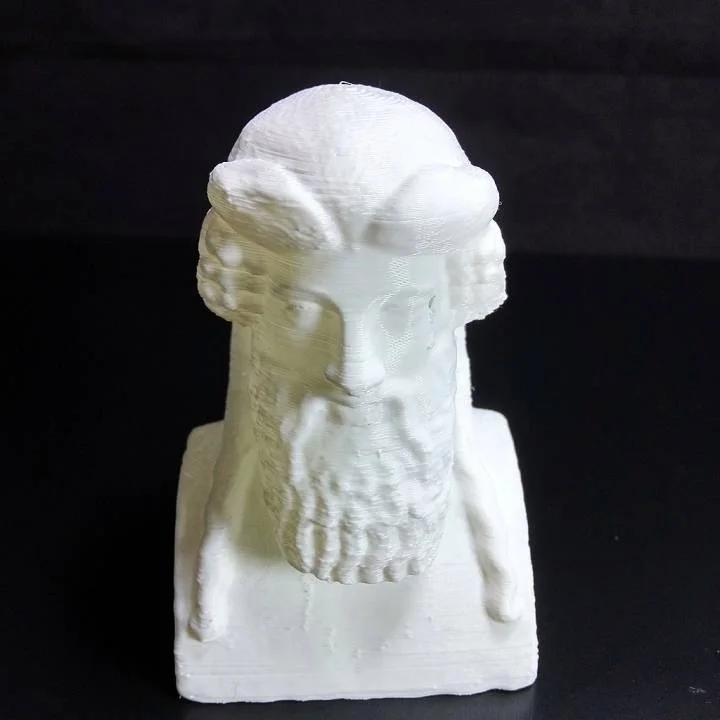
Herm of a Bearded God: Hermes
Type
3D Models
Dimensions
3D

In ancient Greece the statues had an apotropaic function and were placed at crossings, country borders and boundaries as protection, in front of temples, near to tombs, in the gymnasia, palaestrae, libraries, porticoes, and public places, at the corners of streets, on high roads as sign-posts, with distances inscribed upon them. Before his role as protector of merchants and travelers, Hermes was a phallic god, associated with fertility, luck, roads and borders. His name perhaps comes from the word herma referring to a square or rectangular pillar of stone, terracotta, or bronze; a bust of Hermes' head, usually with a beard, sat on the top of the pillar, and male genitals adorned the base. The surmounting heads were not, however, confined to those of Hermes; those of other gods and heroes, and even of distinguished mortals, were of frequent occurrence. In this case a compound was formed: Hermathena (a herm of Athena), Hermares, Hermaphroditus, Hermanubis, Hermalcibiades, and so on. In Athens, where the hermai were most numerous and most venerated, they were placed outside houses as apotropes for good luck. They would be rubbed or anointed with olive oil and adorned with garlands or wreaths. This superstition persists, for example the Porcellino bronze boar of Florence (and numerous others like it around the world), where the nose is shiny from being continually touched for good luck or fertility. | Download free and paid 3D printable STL files

Available on

Search by image

Upload a reference to find previews with similar colors, contrast, and detail.

Herm of a Bearded God: Hermes

Herm of a Bearded God: Hermes
MyMiniFactory
3D Models
License not indexed
  • i Check the terms on the original listing.
Show full terms

In ancient Greece the statues had an apotropaic function and were placed at crossings, country borders and boundaries as protection, in front of temples, near to tombs, in the gymnasia, palaestrae, libraries, porticoes, and public places, at the corners of streets, on high roads as sign-posts, with distances inscribed upon them. Before his role as protector of merchants and travelers, Hermes was a phallic god, associated with fertility, luck, roads and borders. His name perhaps comes from the word herma referring to a square or rectangular pillar of stone, terracotta, or bronze; a bust of Hermes' head, usually with a beard, sat on the top of the pillar, and male genitals adorned the base. The surmounting heads were not, however, confined to those of Hermes; those of other gods and heroes, and even of distinguished mortals, were of frequent occurrence. In this case a compound was formed: Hermathena (a herm of Athena), Hermares, Hermaphroditus, Hermanubis, Hermalcibiades, and so on. In Athens, where the hermai were most numerous and most venerated, they were placed outside houses as apotropes for good luck. They would be rubbed or anointed with olive oil and adorned with garlands or wreaths. This superstition persists, for example the Porcellino bronze boar of Florence (and numerous others like it around the world), where the nose is shiny from being continually touched for good luck or fertility. | Download free and paid 3D printable STL files

View original listing