GetAssetPack

Lion of Mosul at The Mosul Museum, Iraq
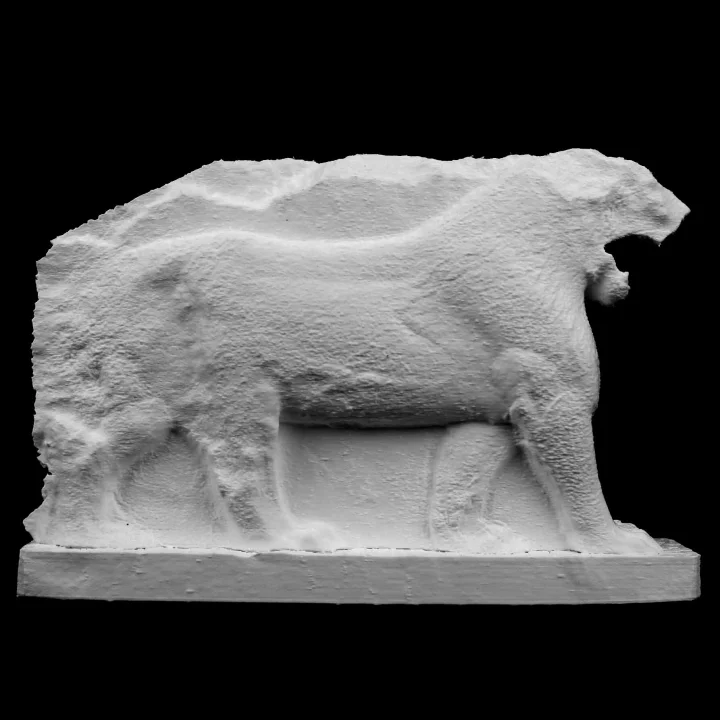
Lion of Mosul at The Mosul Museum, Iraq
Type
3D Models
Dimensions
3D

From Nimrud (ancient Kalhu), northern IraqNeo-Assyrian, about 883-859 BC In 2014 the Islamic State of Iraq and the Levant (ISIL) occupied the Mosul Museum in Iraq as it was about to reopen after years of rebuilding. The group claimed that its statues were against Islam and threatened to destroy the museum's contents. On 26th February 2015, a day after burning books from Mosul libraries, the group released a video showing the destruction of the artifacts in the museum. To rise against the rhetoric of hate with which these acts of destruction have been associated and instead focusing on a message of hope, numerous communites from across the world united to create a means of protecting and restoring these lost cultural relics. This group of likeminded people formed Project Mosul, a volunteer initiative intending to create virtual models of the objects. The group aim to "preserve our shared memory and connections to our cultural heritage, even renew and invigorate it, regardless of the acts of destruction currently being perpetrated upon it" (source). The project uses crowd-sourced images, calling out to past visitors of the museums to submit their photographs in order to virtually recreate the artefacts in 3D using the latest in photogrammetry techniques. The 3D representations are now presented in an online museum where the data is freely accessible to the public. Using the internet as a non-political, free ground for making these works available to anyone around the world. "The 3D objects may initially serve in helping identify stolen items and aid researchers working on the destroyed items. Virtual reconstruction is not an end in itself, however, but the start of a reengagement with the meaning of these objects. It is hoped that the virtual representations will give an additional tool to the communities that wish to think about, learn about, and work on the preservation and dissemination of these important elements of a national, regional and global history, and to…

Available on

Search by image

Upload a reference to find previews with similar colors, contrast, and detail.

Lion of Mosul at The Mosul Museum, Iraq

Lion of Mosul at The Mosul Museum, Iraq
MyMiniFactory
3D Models
License not indexed
  • i Check the terms on the original listing.
Show full terms

From Nimrud (ancient Kalhu), northern IraqNeo-Assyrian, about 883-859 BC   In 2014 the Islamic State of Iraq and the Levant (ISIL) occupied the Mosul Museum in Iraq as it was about to reopen after years of rebuilding. The group claimed that its statues were against Islam and threatened to destroy the museum's contents. On 26th February 2015, a day after burning books from Mosul libraries, the group released a video showing the destruction of the artifacts in the museum. To rise against the rhetoric of hate with which these acts of destruction have been associated and instead focusing on a message of hope, numerous communites from across the world united to create a means of protecting and restoring these lost cultural relics. This group of likeminded people formed Project Mosul, a volunteer initiative intending to create virtual models of the objects. The group aim to "preserve our shared memory and connections to our cultural heritage, even renew and invigorate it, regardless of the acts of destruction currently being perpetrated upon it" (source). The project uses crowd-sourced images, calling out to past visitors of the museums to submit their photographs in order to virtually recreate the artefacts in 3D using the latest in photogrammetry techniques. The 3D representations are now presented in an online museum where the data is freely accessible to the public. Using the internet as a non-political, free ground for making these works available to anyone around the world. "The 3D objects may initially serve in helping identify stolen items and aid researchers working on the destroyed items. Virtual reconstruction is not an end in itself, however, but the start of a reengagement with the meaning of these objects. It is hoped that the virtual representations will give an additional tool to the communities that wish to think about, learn about, and work on the preservation and dissemination of these important elements of a national, regional and global history, and to return a sense of agency to those left helpless in the face of the destruction of their heritage." With a team proficient in 3D designer, academic art historians and photogrammetry researchers, Scan The World is aiming to help the project expand further. Through displacing the textures from the images provided, the team aims to recreate the artifacts as fully 3D printable pieces, as photographically accurate as possible. The texture of the 3D models mask much of the quality of the sculpt

View original listing