GetAssetPack

Viria Phoebe and Gaius Virius at The British Museum, London
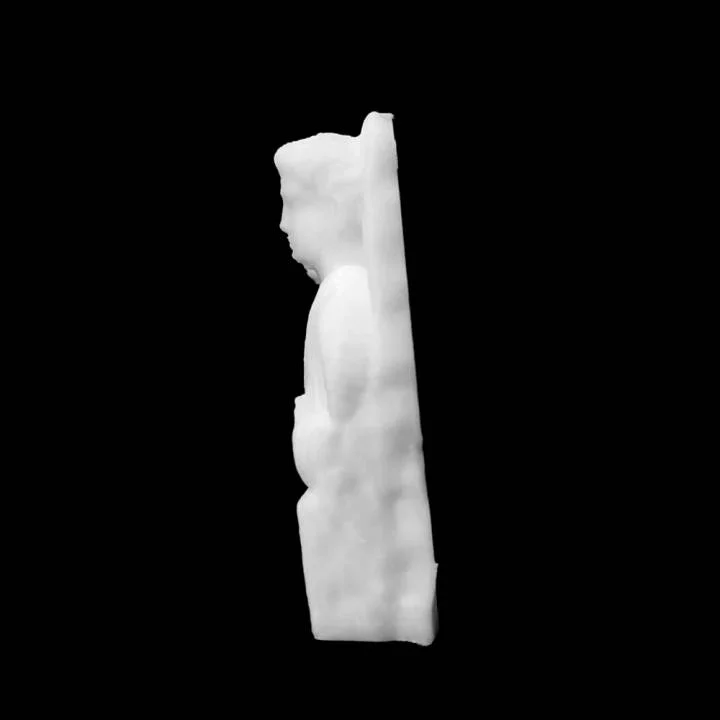
Viria Phoebe and Gaius Virius at The British Museum, London
Type
3D Models
Dimensions
3D

Inscription - 'OYIPIA( )OIBH ()AIOCOYIIOC()KIMOC' 'Viria Phoebe and Gaius Vurus' Limestone bust from a Palmyrene funerary relief; double bust of man and his wife; she is veiled with the fillet; wears drop ear-rings and two long curls of hair; holds in left hand distaff and spindle; he wears a toga and holds a strip of writing material in his right hand; inscription; 2 ll. These stone faces, representing Roman Syrians, who lived between about AD 50-270, come from tombs outside the city of Palmyra. Their fashions are Syrian but they are shown in realistic Roman style. There were three types of tombs, all built for wealthy citizens: single-storey house tombs, tomb towers of several storeys and underground rock-hewn tombs. Inside, each tomb contained rows of compartments set into the walls to hold the remains of the dead. Each was sealed with a plaque bearing a stone portrait of the dead person accompanied by a brief inscription. | Download free and paid 3D printable STL files

Available on

Search by image

Upload a reference to find previews with similar colors, contrast, and detail.

Viria Phoebe and Gaius Virius at The British Museum, London

Viria Phoebe and Gaius Virius at The British Museum, London
MyMiniFactory
3D Models
License not indexed
  • i Check the terms on the original listing.
Show full terms

Inscription - 'OYIPIA( )OIBH ()AIOCOYIIOC()KIMOC' 'Viria Phoebe and Gaius Vurus' Limestone bust from a Palmyrene funerary relief; double bust of man and his wife; she is veiled with the fillet; wears drop ear-rings and two long curls of hair; holds in left hand distaff and spindle; he wears a toga and holds a strip of writing material in his right hand; inscription; 2 ll. These stone faces, representing Roman Syrians, who lived between about AD 50-270, come from tombs outside the city of Palmyra. Their fashions are Syrian but they are shown in realistic Roman style. There were three types of tombs, all built for wealthy citizens: single-storey house tombs, tomb towers of several storeys and underground rock-hewn tombs. Inside, each tomb contained rows of compartments set into the walls to hold the remains of the dead. Each was sealed with a plaque bearing a stone portrait of the dead person accompanied by a brief inscription. | Download free and paid 3D printable STL files

View original listing