GetAssetPack

Chunuk Bair

Chunuk Bair
Price
Free
Type
3D Models
Dimensions
3D
Setting
Military

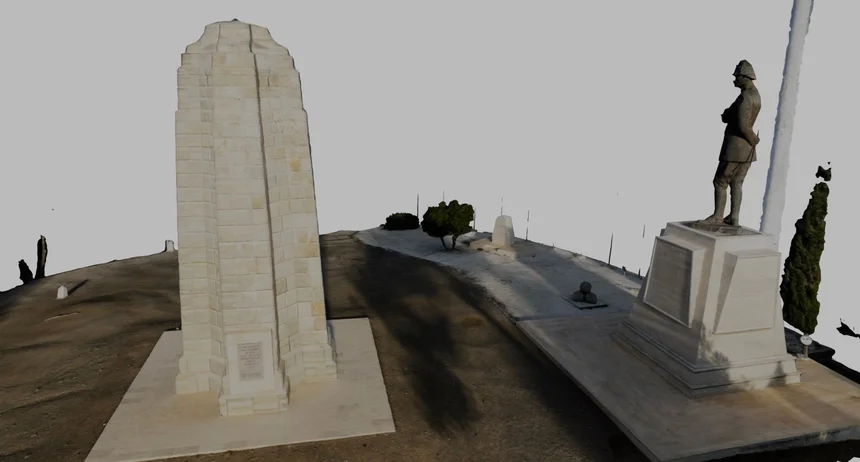
An interactive 3D model of Chunuk Bair, a strategic peak in the Gallipoli Peninsula campaign.

Explore Chunuk Bair with an interactive 3D model on FUNES.WORLD. In the predawn darkness of August 7, 1915, New Zealand soldiers from the Wellington Battalion clawed their way up the razorback ridges of the Gallipoli Peninsula, their boots slipping on loose scree, their breath ragged. Ahead loomed Chunuk Bair, the second-highest peak in the Sari Bair range—a strategic prize that promised dominance over the Dardanelles Strait. By sunrise, they seized the summit, planting their flag in soil churned by Ottoman shells. But their triumph would last barely three days, a fleeting victory steeped in blood and blunders, etching Chunuk Bair into the soul of nations. The Gallipoli Campaign, conceived to secure a sea route to Russia, had stalled into trench-bound misery by summer. General Sir Ian Hamilton’s plan to break the deadlock hinged on capturing Chunuk Bair and neighboring peaks. The task fell to the New Zealand Infantry Brigade, British 13th Division, and Indian and Gurkha troops. Opposing them stood Mustafa Kemal, the Ottoman commander whose tactical genius would later forge modern Türkiye. The assault began with a night march on August 6. Led by Lieutenant Colonel William Malone, the Wellington Battalion navigated gullies so steep men hauled themselves up by flax ropes. “Silence, boys—no smoking, no talking,” Malone ordered, his voice a taut whisper. By dawn, they stormed the summit, surprising the Ottoman defenders. Malone, a lawyer turned soldier, commanded his men to dig in: “Make yourselves a roof!” They scraped shallow trenches with bayonets and helmets, knowing artillery would soon answer. It did. Ottoman shells rained as Kemal rallied his troops, declaring, “I don’t order you to fight—I order you to die.” Wave after wave of Turkish soldiers surged uphill. The New Zealanders held, their rifles searing hot, their water gone. Malone, ever meticulous, scribbled pleas for reinforcements in his notebook. None came in time. On August 8, a misdirected British naval…

Available on

Search by image

Upload a reference to find previews with similar colors, contrast, and detail.

Chunuk Bair

Chunuk Bair
FunesFree
3D Models
License not indexed
  • i Check the terms on the original listing.
Show full terms

Explore Chunuk Bair with an interactive 3D model on FUNES.WORLD. In the predawn darkness of August 7, 1915, New Zealand soldiers from the Wellington Battalion clawed their way up the razorback ridges of the Gallipoli Peninsula, their boots slipping on loose scree, their breath ragged. Ahead loomed Chunuk Bair, the second-highest peak in the Sari Bair range—a strategic prize that promised dominance over the Dardanelles Strait. By sunrise, they seized the summit, planting their flag in soil churned by Ottoman shells. But their triumph would last barely three days, a fleeting victory steeped in blood and blunders, etching Chunuk Bair into the soul of nations. The Gallipoli Campaign, conceived to secure a sea route to Russia, had stalled into trench-bound misery by summer. General Sir Ian Hamilton’s plan to break the deadlock hinged on capturing Chunuk Bair and neighboring peaks. The task fell to the New Zealand Infantry Brigade, British 13th Division, and Indian and Gurkha troops. Opposing them stood Mustafa Kemal, the Ottoman commander whose tactical genius would later forge modern Türkiye. The assault began with a night march on August 6. Led by Lieutenant Colonel William Malone, the Wellington Battalion navigated gullies so steep men hauled themselves up by flax ropes. “Silence, boys—no smoking, no talking,” Malone ordered, his voice a taut whisper. By dawn, they stormed the summit, surprising the Ottoman defenders. Malone, a lawyer turned soldier, commanded his men to dig in: “Make yourselves a roof!” They scraped shallow trenches with bayonets and helmets, knowing artillery would soon answer. It did. Ottoman shells rained as Kemal rallied his troops, declaring, “I don’t order you to fight—I order you to die.” Wave after wave of Turkish soldiers surged uphill. The New Zealanders held, their rifles searing hot, their water gone. Malone, ever meticulous, scribbled pleas for reinforcements in his notebook. None came in time. On August 8, a misdirected British naval shell struck his position, killing him instantly. Leadership fractured, but the Wellington Battalion clung to the summit for 48 more hours, their numbers dwindling. British relief troops—the 6th Loyal North Lancashires—replaced the shattered Kiwis on August 10. They lasted hours. Kemal’s final assault, led by fresh reserves, overran the summit. When the smoke cleared, Chunuk Bair was a charnel house: 3,000 New Zealanders lay dead or wounded, alongside thousands of British, Indian, and Ottoman troo

An interactive 3D model of Chunuk Bair, a strategic peak in the Gallipoli Peninsula campaign.

View original listing