GetAssetPack

Selimiye Mosque

Selimiye Mosque
Price
Free
Type
3D Models
Dimensions
3D
Setting
Asian

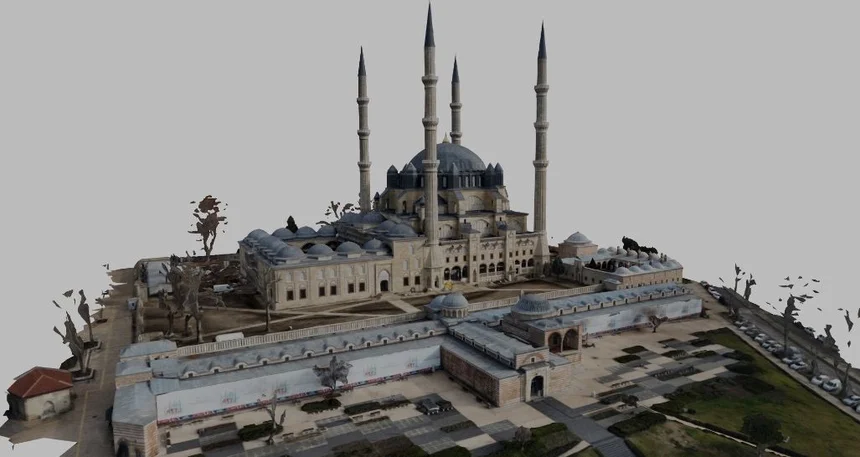
An interactive 3D model of Selimiye Mosque, an Ottoman complex known for its centralized dome architecture.

Explore Selimiye Mosque with an interactive 3D model on FUNES.WORLD. The Selimiye Mosque (Selimiye Camii) in Edirne, Turkey, stands as the architectural pinnacle of the Ottoman Empire and the masterwork of Mimar Sinan, history’s most celebrated Islamic architect. Constructed between 1568 and 1575 during the reign of Sultan Selim II, this UNESCO World Heritage site represents the convergence of imperial power, mathematical innovation, and spiritual symbolism. The complex established new paradigms in centralized dome construction while serving as a crucible of cultural synthesis that would transform from imperial monument to symbol of national identity. Imperial Context Political Framework The Selimiye Mosque emerged during the zenith of Ottoman territorial expansion under Sultan Selim II, who ruled from 1566 to 1574. The construction, spanning from 1568 to 1575, was financed significantly through spoils from the conquest of Cyprus in 1571. This connection between military success and architectural patronage characterized Ottoman imperial policy. 📚 Supporting References 📌 Factual Narratives 📖 "The age of Sinan architectural culture in the Ottoman part 3" Original: Unlike his father, whose lengthy reign lasted nearly half a century, Selim 11 ruled for only eight years, between 1566 and 1574 (illus. 7, 30). Original: The foundation inscription discussed below confirms that it was built between 976 (1568- 69) and 982 (1574- 75). Original: European and Ottoman writers concur that the mosque was financed with the sultan's legal share of booty from Cyprus, revenues of which were assigned to its waqf. Original: As we have seen in Chapter 2, it was common practice for sultans to lay the foundations of a mosque before embarking on a military campaign, with the hope that the spoils of victory would be dedicated to its construction and its endowments. The assertively monumental layout of the Selimiye, designed just before the conquest of Cyprus, reflects Selim's self- conidence…

Available on

Search by image

Upload a reference to find previews with similar colors, contrast, and detail.

Selimiye Mosque

Selimiye Mosque
FunesFree
3D Models
License not indexed
  • i Check the terms on the original listing.
Show full terms

Explore Selimiye Mosque with an interactive 3D model on FUNES.WORLD. The Selimiye Mosque (Selimiye Camii) in Edirne, Turkey, stands as the architectural pinnacle of the Ottoman Empire and the masterwork of Mimar Sinan, history’s most celebrated Islamic architect. Constructed between 1568 and 1575 during the reign of Sultan Selim II, this UNESCO World Heritage site represents the convergence of imperial power, mathematical innovation, and spiritual symbolism. The complex established new paradigms in centralized dome construction while serving as a crucible of cultural synthesis that would transform from imperial monument to symbol of national identity. Imperial Context Political Framework The Selimiye Mosque emerged during the zenith of Ottoman territorial expansion under Sultan Selim II, who ruled from 1566 to 1574. The construction, spanning from 1568 to 1575, was financed significantly through spoils from the conquest of Cyprus in 1571. This connection between military success and architectural patronage characterized Ottoman imperial policy. 📚 Supporting References 📌 Factual Narratives 📖 "The age of Sinan architectural culture in the Ottoman part 3" Original: Unlike his father, whose lengthy reign lasted nearly half a century, Selim 11 ruled for only eight years, between 1566 and 1574 (illus. 7, 30). Original: The foundation inscription discussed below confirms that it was built between 976 (1568- 69) and 982 (1574- 75). Original: European and Ottoman writers concur that the mosque was financed with the sultan's legal share of booty from Cyprus, revenues of which were assigned to its waqf. Original: As we have seen in Chapter 2, it was common practice for sultans to lay the foundations of a mosque before embarking on a military campaign, with the hope that the spoils of victory would be dedicated to its construction and its endowments. The assertively monumental layout of the Selimiye, designed just before the conquest of Cyprus, reflects Selim's self- conidence and sense of certainty in imminent triumph: Nicosia was taken in July 1570, and Famagusta surrendered in August 1571. 📖 "Edirne Selimiye Camii Kalemişleri ve Restorasyonu Üzerine Bir Değerlendirme" Original: Edirne Selimiye Mosque, which is defined as the masterpiece of Mimar Sinan, was built by Sultan Selim II between 1568-1574 in the second half of the 16th century. 📖 "Unesco World cultural Heritage of edirne" Original: "The Selimiye Mosque Complex", built upon the order of Sultan Selim II

An interactive 3D model of Selimiye Mosque, an Ottoman complex known for its centralized dome architecture.

View original listing