GetAssetPack

Qingliang Terrace of Xiushan Ancient Architectural Complex
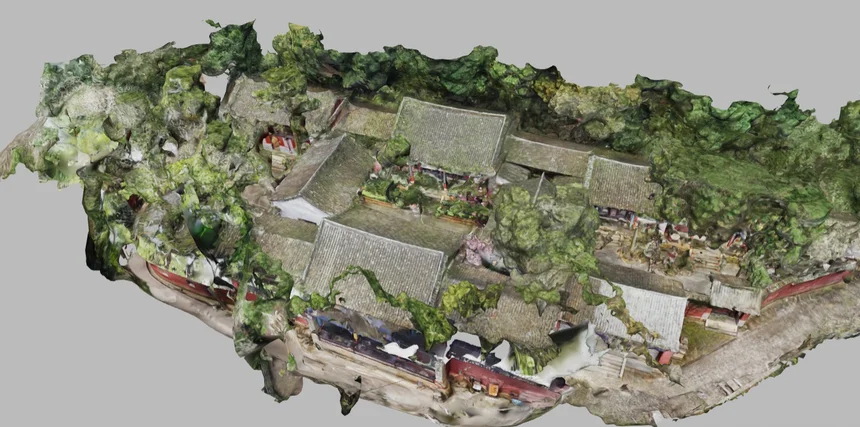
Qingliang Terrace of Xiushan Ancient Architectural Complex
Price
Free
Type
3D Models
Dimensions
3D
Setting
Asian, Nature

An interactive 3D model of Qingliang Terrace, a mountain temple complex with a four-courtyard, three-passage layout, historical plaques, and couplets.

Explore Qingliang Terrace of Xiushan Ancient Architectural Complex with an interactive 3D model on FUNES.WORLD. Qingliang Terrace captures a rare continuity between China’s imperial architectural traditions and its modern revolutionary history. Founded in the late Tang Dynasty and expanded through the Qing era, the site exemplifies classical mountain temple design through a cohesive "four-courtyard, three-passage" layout that naturally integrates with the forested slopes of Mount Xiu. Culturally, the terrace serves as a living archive of classical literature, housing a dense collection of historical plaques and couplets. The site gained profound political significance in 1915 when Marshal Zhu De resided in its Haiyun Tower during early military campaigns, a period crucial to the formation of his revolutionary ideology. Today, as a nationally protected heritage site, Qingliang Terrace preserves this dual legacy, offering visitors a direct link to both ancient spiritual aesthetics and the formative years of the Chinese republic.

Available on

Search by image

Upload a reference to find previews with similar colors, contrast, and detail.

Qingliang Terrace of Xiushan Ancient Architectural Complex

Qingliang Terrace of Xiushan Ancient Architectural Complex
FunesFree
3D Models
License not indexed
  • i Check the terms on the original listing.
Show full terms

Explore Qingliang Terrace of Xiushan Ancient Architectural Complex with an interactive 3D model on FUNES.WORLD. Qingliang Terrace captures a rare continuity between China’s imperial architectural traditions and its modern revolutionary history. Founded in the late Tang Dynasty and expanded through the Qing era, the site exemplifies classical mountain temple design through a cohesive "four-courtyard, three-passage" layout that naturally integrates with the forested slopes of Mount Xiu. Culturally, the terrace serves as a living archive of classical literature, housing a dense collection of historical plaques and couplets. The site gained profound political significance in 1915 when Marshal Zhu De resided in its Haiyun Tower during early military campaigns, a period crucial to the formation of his revolutionary ideology. Today, as a nationally protected heritage site, Qingliang Terrace preserves this dual legacy, offering visitors a direct link to both ancient spiritual aesthetics and the formative years of the Chinese republic.

An interactive 3D model of Qingliang Terrace, a mountain temple complex with a four-courtyard, three-passage layout, historical plaques, and couplets.

View original listing