 GetAssetPack
Biofluid - Slime Forms
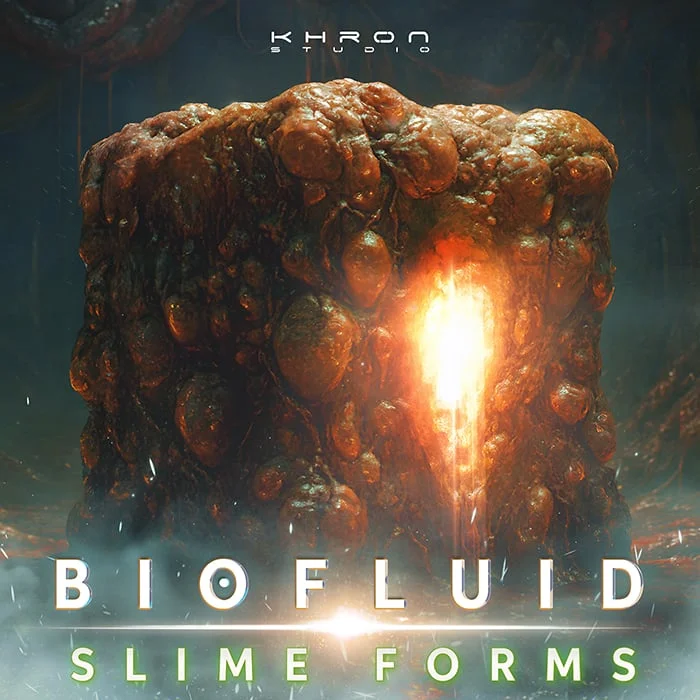
- Type
- Sounds
- Style
- Stylized
- Setting
- Sci-fi
Designed slime and organic effects include alien ambiences, force fields, insectoid calls, tissue movement, and wet impacts, plus 235 raw and processed source files for sound design.
Biofluid - Slime Forms represents a comprehensive toolkit designed for high-end sound design, engineered to breathe organic vitality into any project. After releasing the first Biofluid library, we thought we'd take a break from this type of sound, but after watching the latest season of Stranger Things, we were so blown away by the show's sound design that we decided to create a new release entirely inspired by the viscous and monstrous sounds we heard there. Library Architecture The collection is organized into two primary categories to facilitate a seamless workflow: 1. Designed Audio Elements This section features 22 distinct categories of meticulously crafted sounds, spread across 74 tracks. Each entry includes 5-7 variations, ensuring you have the necessary diversity for complex scenes. The architecture allows for modular recombination, meaning many elements are provided in separate layers so you can piece them together like a sonic puzzle. Featured Elements: - Alien Burrow Displacement - Organic Environmental Ambiences - Extraterrestrial Force Fields - Insectoid Vocalizations & Shrill Snarls - Viscera Shifts & Tissue Regeneration - Membrane Ruptures & Wet Surface Impacts - Etc... 2. Source Material (Raw + Enhanced) A robust collection of 235 audio files, providing the foundation for your own custom manipulations. This folder includes: - Unprocessed Source Material - Enhanced Variations utilizing saturation, pitch shifting, distortion, etc… - Granular Synthesis textures for abstract, evolving tones. Technical Specifications In keeping with the Khron Studio standard of excellence, the majority of this library is delivered in 192 kHz / 24-bit. This provides maximum flexibility for extreme pitch manipulation and processing without losing sonic integrity. In specific instances where heavy processing was applied to the design, a lower sample rate is used to optimize storage efficiency without sacrificing perceived quality. More about the pack - Intuitive file…